The first question you need to ask yourself is, ‘Why are you writing?’ Then comes the ‘What are you writing?’ and ‘For whom?’
When I first began writing, I knew exactly what I wanted to do. I wanted to write epic fantasy stories filled with magic and dragons and all sorts of amazing, destiny-imbued characters. I started with the most cliché of things, which was to copy Hollywood plot lines, because, well, they were the best. Or so I thought. I will never forget the comment my English literature professor said during one of my undergraduate classes in the UAE. She read through our short stories, put the papers down, and sighed. Here we are in the Middle East, surrounded by its culture and literature, and all anyone wants to write about is how John and Jane fell in love in the rain. Those were not her exact words, but you get the gist.
I was flabbergasted. Not only was I guilty of the same crime, I never once thought about writing anything other than Western stories. Come to think of it, I was inundated with stories from America and Europe. Hans Christian Andersen, Pirates of the Caribbean, Disney, Lord of the Rings, you name it, I saw it. Had I truly forgotten the stories from my people? My literature? Well yes, yes I had because no matter how much I thought about it, I couldn’t think of any Arabian/Arab/Middle Eastern novels other than 1,001 Nights. Oh, the shame. My ancestors would cry their hearts out.
So what to do? Well, I immediately took my work in progress and flipped the location from Pennsylvania (no, it was not a vampire story…it was a ghost story) to Egypt. The character’s ethnicities flipped from American and British to African and Middle Eastern. It took some digging, but I changed the ghosts and monsters to fit legends of Africa. I felt proud of myself, but I wasn’t sure why. This was the beginning of my creative journey to find my voice and passions.
As time went by, I dug deep into research. I even interviewed my elders to see what legends and myths they had tucked away in their collective memories. My gosh, did you know Sudan has its own version of zombies, shapeshifters, wizards and ghouls? Apparently, one distant member of my family witnessed one dude turn another dude into a wolf. Plot gold! (Emphatic scribbling noises).
I continued working on my writing and research, uncovering a literary world full of Arab writers and creatives that were all but invisible. As the years went by, I realised other cultures had their own treasure hordes of amazing creatives. I read Asian, African, Middle Eastern, Native American voices and more. All opened my imagination to a plethora of legends and myths, new ways of telling stories, fascinating observations, concerns. Life. The world of literature was far richer than my impressionable younger self realised.
Now, I want to clarify that I am not putting down the West. I love Western media; I’ve consumed it all my life. But I am also hungry for more. A great creative is one who opens his or her heart and mind to everything. Secondly, there are many underrepresented voices out there, from cultures we do not hear enough about. You never know when an idea or a connection might occur if you close yourself off to corners of creativity.
When starting your creative writing journey, you need to understand yourself above anything else. In other words, what is your origin story? The clearer your vision, the easier it is to guide yourself through the next steps.
Homework: Sit down with yourself and ask these questions:
- Why are you writing?
- What are you writing? (Fantasy, memoir, poetry, etc?)
- Who is the target audience? (Children, young adults, adults, a specific group or ethnicity?)
- What do you expect from your journey? (Fame and fortune? Learning a new skill? Becoming your family’s historian?)
- What is the long plan? (Is this writing for fun, or do you want to get published?)
- Do you have something specific to share with the world? (A personal story? A special rewriting of a classic tale?)
- End game? Will you stop writing at some point?
NEXT:
Please look forward to the next post: 1-1 Where Do Ideas Come From?
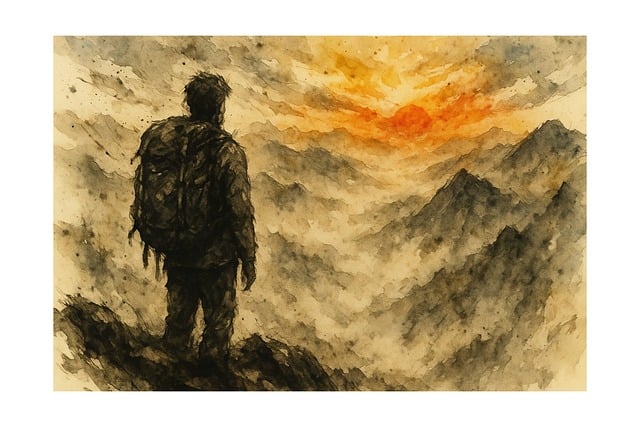
Image by Creative Canvas from Pixabay